 14 Nov 2026
 7 min read
Chobe National Park is in northern Botswana, near the town of Kasane and the borders with Zimbabwe, Zambia, and Namibia. This first-time guide to the park covers access, wildlife, game drives, river cruises, seasons, and places to stay so you can decide how Chobe might fit your trip.
Where Chobe National Park is and how to reach it
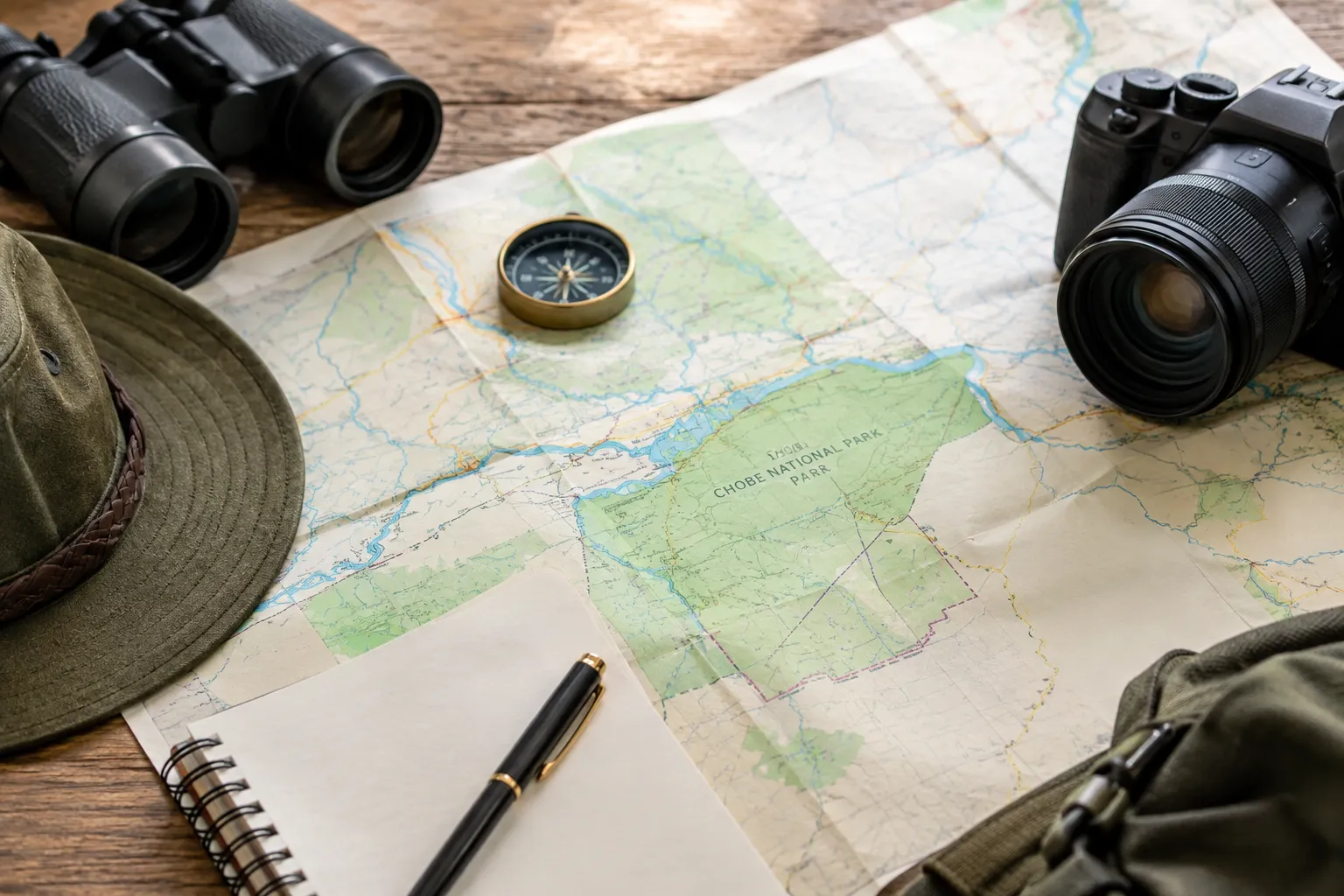
Chobe National Park is in northern Botswana, with Kasane serving as a nearby base for visitors arriving from the surrounding region. The right route depends on where your trip begins and how you plan to cross borders.
The park is part of the broader Botswana safari circuit, and its location makes it a possible addition for travelers visiting Victoria Falls or Livingstone. For a first visit, start by identifying your arrival point, then check the transport and border arrangements for your route. Requirements and logistics can vary, so confirm current entry documents and transfer details before setting out.
Kasane is a practical reference point when planning access to the Chobe River area. If you are combining the park with another destination, allow time to coordinate the route between countries rather than assuming that a short map distance means a quick transfer. Ask any operator what the proposed departure point is, how transport is arranged, and which costs or services are included.
Travelers comparing guided options can review Chobe park safari options while deciding whether a day visit or a longer stay suits their itinerary. The phrase “Chobe National Park” refers to the protected area in Botswana; searches for “Botswana Chobe National Park” or “Chobe National Park Botswana” are usually looking for this same destination.

Wildlife you may see in Chobe National Park
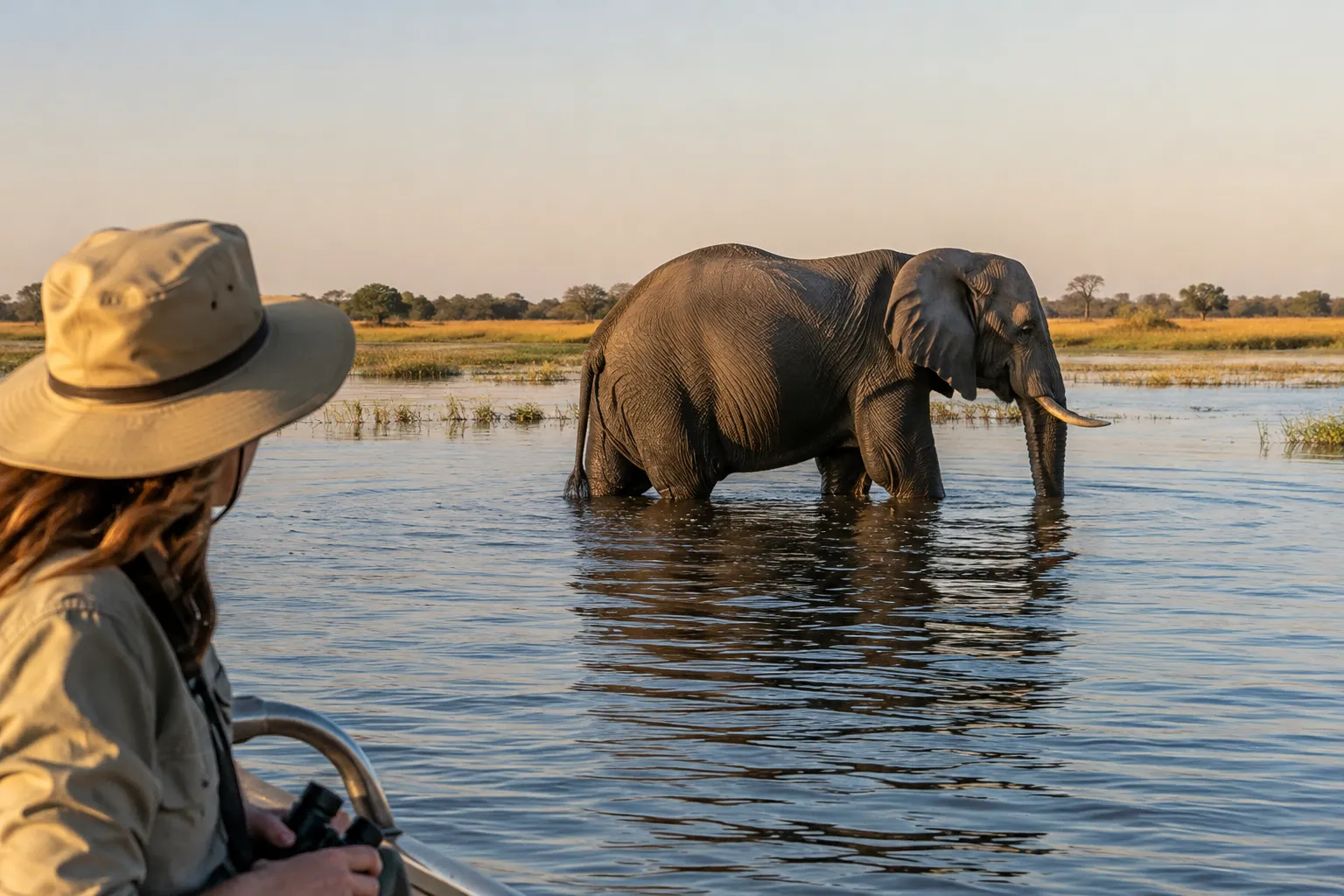
Visitors may encounter elephants, buffalo, lions, leopards, wild dogs, antelope, and many bird species, but sightings depend on location, season, and conditions. No particular animal encounter is guaranteed on a safari.
Chobe’s habitats include riverfront areas as well as more remote landscapes, and the setting you visit shapes what you might see. Wildlife moves freely, so a game drive or cruise can offer different views of the same broad ecosystem. Patience and attention to the landscape matter: tracks, calls, and animal behavior can make the experience rewarding even when a hoped-for sighting does not happen.
The park is often associated with elephants, but it is better to approach any visit with a varied wildlife list rather than a single expectation. Ask how the planned activity explores the area and whether the route is focused on the riverfront or another part of the park. For common destination and trip-planning questions, see the Chobe and Botswana FAQs.
Game drives and river cruises in Chobe
Game drives explore the park by vehicle, while river cruises view wildlife and scenery from the water; choosing one or both depends on your interests and available time. Neither activity can promise particular sightings.
A drive can cover land habitats and help you look for animals across changing terrain. A river cruise offers a water-level perspective along the river, where the shoreline and activity on the water become part of the experience. These are complementary ways to explore, not interchangeable versions of the same outing.
If you have limited time, consider which perspective matters most to you: traveling through the park by vehicle or spending time on the river. If your schedule allows, combining activities can give you a broader sense of Chobe’s landscapes. Before booking, clarify the departure point, duration, transport arrangements, and what the price includes. Park fees, meals, drinks, and transfers should not be assumed to be included unless the specific trip confirms them.
Chobe Horizons offers Chobe day trips, game drives, river cruises, and Botswana safari packages for international travelers visiting the region. Read about Chobe Horizons for background on the operator; then compare the trip details with your route and the time you have available.
When to visit and how the seasons affect your safari
Seasonal conditions influence the landscape and wildlife-viewing experience in Chobe, so the right time to visit depends on the kind of safari you want. Consider both weather and the activities you plan to do.
During drier periods, water availability across the landscape can affect where animals gather. In wetter periods, the landscape changes, and travel conditions and vegetation can shape visibility and the feel of a drive. These are broad seasonal patterns, not a promise that animals will appear in a particular place or that every route will be accessible.
Rather than choosing a date based only on a general wildlife claim, match the season to your priorities. If you want to combine a river cruise with a land-based drive, ask how seasonal conditions may affect each activity and what arrangements apply on your intended dates. Travelers connecting through other destinations should also consider how the season fits the wider itinerary.
Seasonal planning is especially useful when your trip window is fixed. Ask about the planned activity, route, and any timing considerations before confirming. For a focused overview of seasonal choices, use the season information available through your chosen trip provider and compare it with your travel dates.
Where to stay near Chobe National Park
Visitors can base themselves near the park, including in the Kasane area, or consider accommodation within the wider safari region. The best fit depends on your route, preferred comfort level, and whether you want a short visit or a longer stay.
A base near Kasane can make sense for travelers arriving from nearby regional destinations or planning activities around the Chobe River. Staying farther into a safari area may suit a trip built around spending more time in the bush, but the location can affect transfers and how the rest of your itinerary connects.
Accommodation choices generally range from lodges to campsites, with different levels of facilities and independence. Check what the specific property offers rather than assuming that meals, transfers, activities, or park access are part of the stay. If you are considering camping or self-driving to manage costs, factor in the practical work of organizing transport, equipment, routes, and any required bookings. A lower-cost approach may involve more planning and responsibility.
For a short stop, compare the accommodation’s location with the departure point for your activities. For a longer safari, consider how often you want to change bases and how much travel time that adds. Confirm current availability, inclusions, and access arrangements directly with the accommodation or tour provider.
Choose a Chobe safari that fits your trip
Choose a Chobe experience by starting with your available time, arrival point, and preferred activity, then compare the confirmed arrangements. A day trip can fit a regional itinerary, while a longer safari allows more time in Botswana.
If you are visiting Victoria Falls or Livingstone and have a limited window, a Chobe day trip may be a way to add a Botswana safari experience without planning an extended stay. The actual fit depends on departure arrangements, border requirements, and the time available on your travel dates. Confirm these details before building other plans around the outing.
If you have several days, consider how a game drive, river cruise, and time near the park could fit together. A broader Botswana safari package may suit travelers who want more than a single park visit. By contrast, an independent or camping approach may appeal to travelers prioritizing flexibility or managing expenses, provided they are prepared to organize the logistics themselves.
For value, compare more than the headline price. Check what is included, what you need to arrange separately, where the trip starts, and how much time is spent traveling versus on the activity. Do not assume park fees, visas, transfers, meals, or beverages are included; ask for each item to be specified for the trip you are considering. Solo travelers can use the same checklist and should confirm whether the booking arrangements suit their plans.
Chobe National Park FAQs
These answers address two common questions about visiting Chobe National Park; check current park and trip details before finalizing your plans.
What are the entry fees for Chobe National Park?
Entry fees can depend on current park rules and the visitor or vehicle category, so check the applicable fee with the park authority or your tour provider before travel. Confirm whether it is included in your chosen trip.
Why is it called a National Park?
A national park is a protected area designated for conservation and managed under national rules. Chobe’s designation identifies it as a protected area in Botswana; it does not mean every activity or access arrangement is identical.
Recommended next steps
- Map your arrival point, planned border crossings, and available days before choosing a Chobe visit.
- Decide whether a game drive, river cruise, or combination best matches your interests and schedule.
- Compare accommodation locations with your activity departure points and regional route.
- Ask providers to confirm departure arrangements, inclusions, park fees, and any documents you need to check.
- Choose a day trip or longer Botswana safari only after the confirmed details fit your itinerary.